JS Bank brings Mario Testino to Pakistan
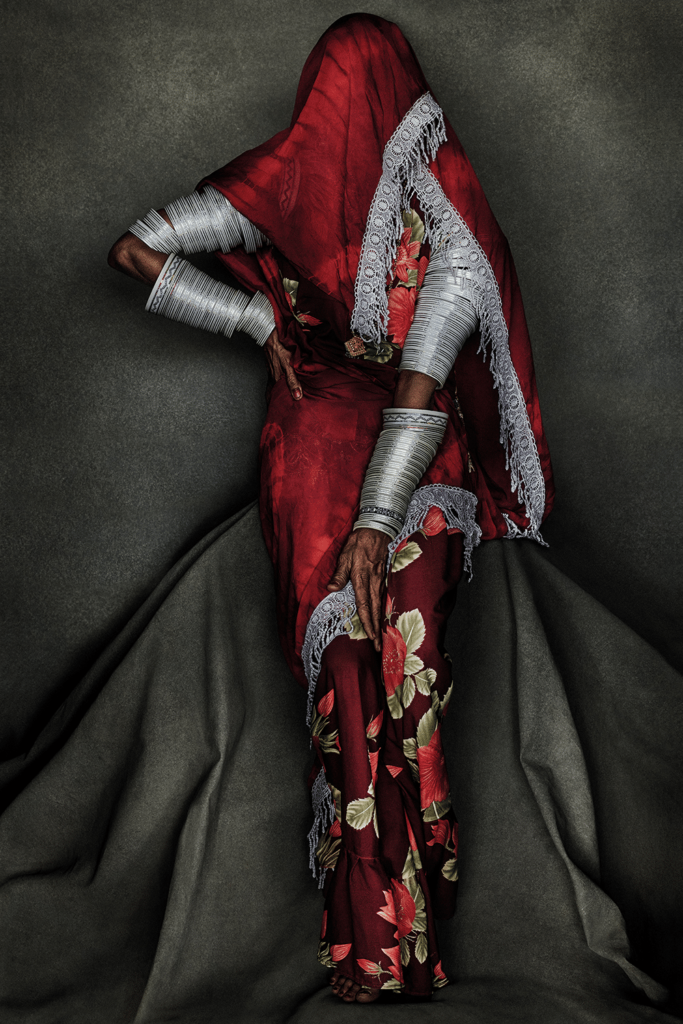
Known as one of the best portraitists of our time, Mario Testino is travelling the world working in his most personal images to date. A Beautiful World, as his latest series is called, is a journey through the markings of identity, through traditions and transgressions.
On his visit to Pakistan, invited by JS Bank, Testino met Kalash women and the presidential guards, Sehwan devotees, Sindhi musicians and Rabari people, to name a few. Through the lens of the artist, each community and individual shines in the expression of their identity, each a testament of Pakistan’s history and cultural wealth.
Featured prominently in the first exhibition of A Beautiful World, at Palazzo Bonaparte in Rome, Pakistan became an important subject for Mario Testino, who here shares his thoughts on the country and our beautiful world.
What similarities do you find in your work as a fashion photographer and this new immersion in the world of tradition? What has changed?
The main change has been of theme and subjects, as in A Beautiful World my objective is documenting people and communities and bringing out the beauty of their traditional attire. However, something we must never forget is that fashion comes from these costumes, from that same desire of expressing identity. While fashion moves with the rhythm of commerce and of the world today, these outfits were designed to last and be for each group a permanent sign of belonging.
Can you discuss how your own country’s traditions were an inspiration for A Beautiful World Are there other places in the world that have inspired this art journey?
On one trip to Peru, almost twenty years ago, while working for British Vogue, I discovered an archive of traditional dresses in a dance school. They were from different regions of Cusco and used for festivities. I had searched before for the costumes of my country and having this incredible collection in front of me, I realised there was not a proper archive of dresses and their meanings, so I started documenting at the beginning just with that in mind. When the pictures were presented in Lima, my city of birth, the reaction was amazing. People were feeling proud of something they had taken for granted before, the beauty of the living culture that surrounded them. It was a rediscovery of sorts, people embracing their patrimony.
In my fashion work, when doing Special Editions of different countries, I tried to incorporate what made each place unique. I would recreate traditional costumes with contemporary clothes, sometimes. Countries like Brazil, China or Japan have been a great influence that way.
After seeing so many places and meeting such different people even living in the same country, how would you define identity? Also coming from a multicultural country, do you believe it possible to equate identity and nationality?
Most of the clothes I photograph come from the idea each community has of belonging. People, no matter where they come from, want to share who they are and what defines them, be it their country, religion, a festivity they love to celebrate or even their jobs. Presidential guards are a great example, as they are always dressed in a official manner and have that distinctive military pride. However, each country’s uniform has its own world.
Of course, like my own country, some places hold many identities. For example in Kenya I have photographed the Samburus, the Pokots, the Maasai, among others. They all dress in a particular way and in Kenya everyone recognises each community. But the idea of belonging to one country despite the differences is also very powerful. I have photographed football fans as well, and I have seen how important it is for them to be wearing and showing the colours of their countries.
Why did you want to add Pakistan to the project A Beautiful World? Was there any particular inspiration or invitation?
I have always been fascinated by the history of Pakistan, a country created to be home of a shared religion. I had visited India before, and as I am aware of their shared history, I was very keen on discovering their differences and the culture of Pakistan. I found a place even more incredible than what I had imagined. My team and I were invited by JS Bank and we were gladly surprised by their understanding of the project reflected on how they guided us through the country, identifying the kind of communities and groups I wanted to photograph.
They were generous in their understanding of what we needed for the trip and our work days, which start early and can be very intense. Pakistan is a country that exceeds all expectations.
Are there any similarities you have noticed between our nations or among other indigenous communities of the world?
Source: https://startuppakistan.com.pk/mario-testino-a-beautiful-world-pakistan/